
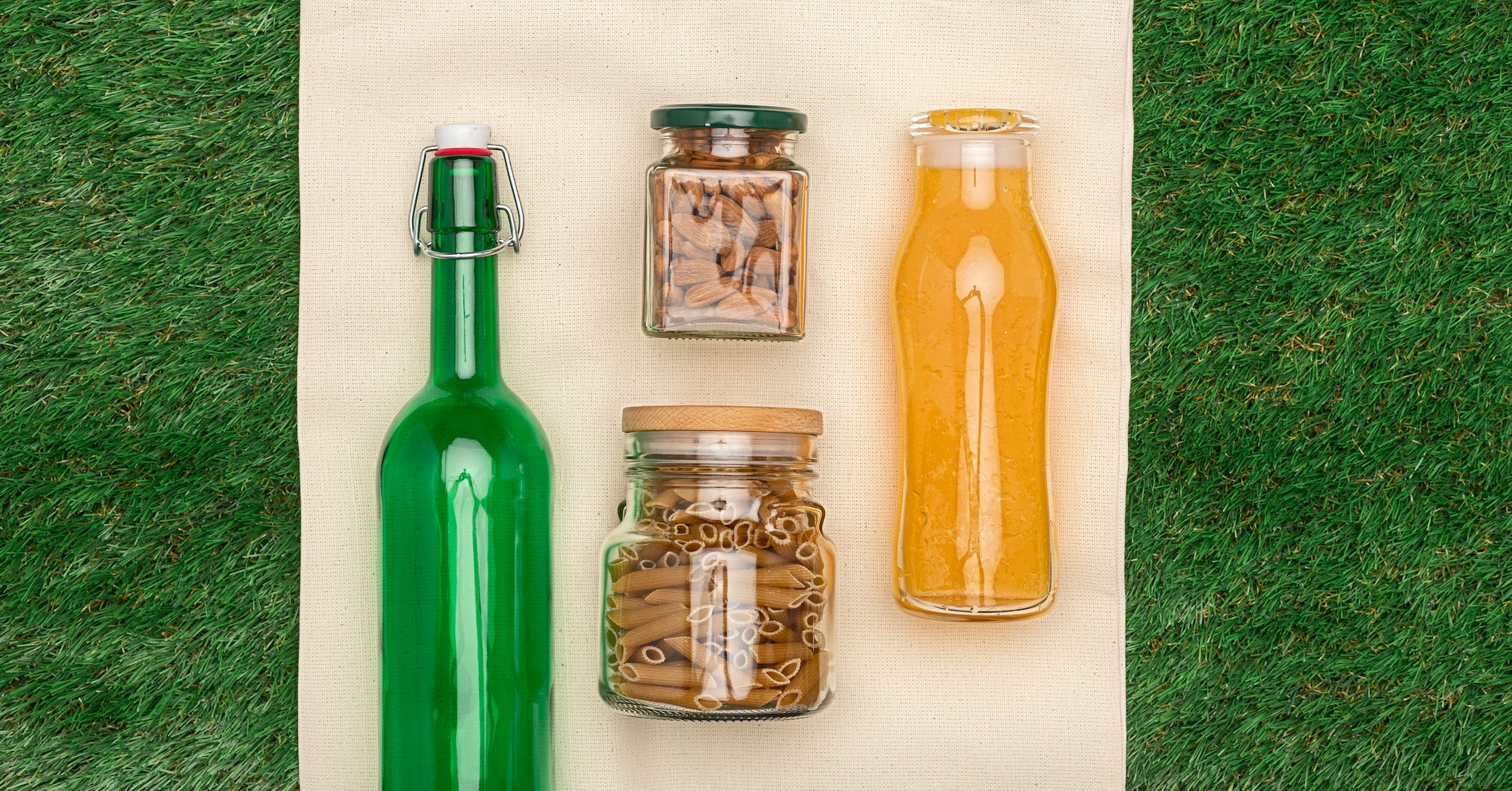
Every year, millions of glass bottles and jars end up in landfills, but you can do your part to combat this problem by recycling and upcycling them into beautiful, functional, and decorative containers. By following a few simple steps and using your creativity, you can transform wine bottles, mason jars, and other glass containers into stunning pieces of art that will add a touch of personality to your home or garden. In this article, we’ll explore various ideas and projects for recycling and upcycling glass bottles and jars, from creating bird feeders to crafting soap dispensers. Let’s dive into the wonderful world of glass recycling and discover how you can make a positive impact on the environment while beautifying your living space.
Transforming Wine Bottles into Stylish Vases
Wine bottles come in various shapes, sizes, and colors, making them ideal candidates for upcycling into decorative vases. With a bit of paint, some creativity, and a few simple materials, you can turn old wine bottles into stunning centerpiece vases or unique focal points for your home décor.
Start by cleaning the wine bottles thoroughly, removing labels and residue with warm soapy water. Once the bottles are clean and dry, you can either paint them using acrylic paint or spray paint to achieve the desired color and finish. You can also use masking tape or stencils to create patterns and designs on your bottles. Allow the paint to dry completely before moving on to the next step.
To add a touch of elegance to your wine bottle vases, consider wrapping them in twine or ribbon, gluing on embellishments such as beads or rhinestones, or adding a personalized label with a meaningful quote or message. Finally, fill the vases with fresh flowers, dried botanicals, or even LED lights to create a cozy ambiance.
Mason Jar Magic: From Storage Solutions to Creative Light Fixtures
Mason jars are versatile glass containers that can be used for much more than just preserving food. With a little imagination and some DIY know-how, you can transform these glass jars into a wide array of decorative and functional items for your home.
One popular option is to turn mason jars into unique storage solutions for your kitchen or bathroom. To create a mason jar soap dispenser, simply replace the jar’s lid with a pump dispenser, which can be purchased online or at a local craft store. Fill the jar with liquid soap, and voila – you have a stylish and eco-friendly alternative to plastic soap bottles.
Another great idea is to make mason jar light fixtures or lanterns, which can add a warm, inviting glow to your home or garden. There are many ways to achieve this, from placing battery-operated LED lights or tea candles inside the jars to converting them into hanging pendant lights. You can also paint the glass jars in various colors or add decorative touches such as ribbons, lace, or burlap for a more personalized look.
Crafting Bird Feeders and Garden Accessories from Glass Bottles and Jars
Your recycled glass containers can also bring life and beauty to your garden, serving as bird feeders or planters that attract wildlife and add a touch of charm to your outdoor space.
To make a simple bird feeder from a wine bottle, you’ll need a wooden spoon, some twine or wire, and a small hook. Drill a hole through the handle of the spoon, and thread the twine or wire through it, securing it with a knot. Then, thread the other end of the twine through the neck of the bottle and attach the hook. Fill the bottle with birdseed, and hang it from a tree or a shepherd’s hook in your garden. The spoon will serve as a perch and feeding platform for your feathered friends.
Another creative project is to turn glass jars and bottles into planters for succulents, herbs, or small flowers. You can either cut the top off a wine bottle using a glass cutter or simply use an open glass jar. Add a layer of small stones or pebbles for drainage, followed by potting soil and your choice of plants. These unique planters can be displayed on your windowsill or outdoor patio, adding a touch of greenery and charm wherever you place them.
The Art of Glass Recycling and Upcycling
Recycling and upcycling old glass bottles and jars not only helps reduce waste and protect the environment, but it also allows you to unleash your creativity and craft one-of-a-kind decorative containers for your home and garden. From wine bottle vases to mason jar light fixtures, the possibilities are endless when you start exploring the world of glass recycling. So the next time you find yourself with an empty glass bottle or jar, don’t just toss it into the recycling bin – consider the many ways you can transform it into a beautiful, functional, and eco-friendly piece of art. Happy crafting!