The world of fabric dyes is vibrant and vast, offering endless opportunities for creativity and customization. Two of the most popular brands in this domain are Dylon and Rit. Both have established a strong reputation for delivering brilliant results. However, their techniques are slightly different, leading to variation in the final results. As pioneers in home textile customization, we’ve gained a deep understanding of these two techniques and their distinct features. In this article, we’ll provide a comprehensive comparison of the Dylon and Rit dyeing processes to help you make an informed choice for your next home textile customization project.
- 1 Dylon Dye: A Rainbow in a Tub
- 2 Rit Dye: Versatility at Its Best
- 3 Which One to Choose?
-
4
FAQ
- 4.1 What are the main differences between Dylon and Rit dyes for home textile customization?
- 4.2 Can I mix Dylon and Rit dyes to create custom colors for my home textiles?
- 4.3 What is the best technique for applying dye to ensure even color in home textiles?
- 4.4 Are Dylon and Rit dyes safe to use on all types of home textiles?
- 4.5 How should I wash dyed textiles to maintain the color?
Dylon Dye: A Rainbow in a Tub
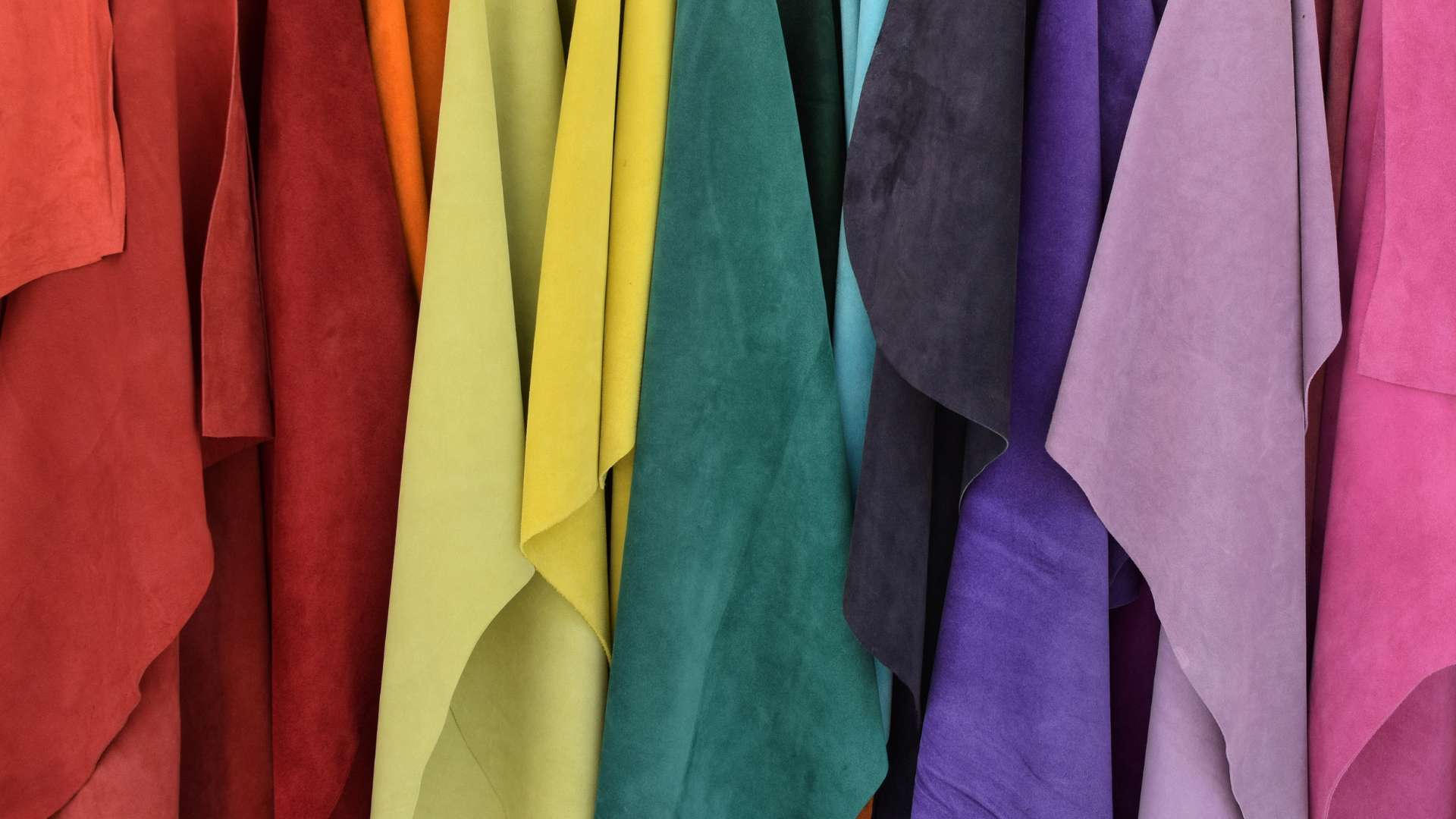
Dylon is a UK-based brand and is considered a global leader in fabric dye production. Its range of dyes is available in a variety of colours, perfect for those looking for a plethora of choices. Dylon’s dyeing process is straightforward and user-friendly, and is typically done through a process of immersion dyeing.
With the Dylon dye, you first need to thoroughly clean and dampen the fabric. Secondly, the dye is mixed with warm water in a separate container until it is fully dissolved. The fabric is then immersed into the dye solution and stirred continuously for about 15 minutes. After that, you need to let the fabric sit in the dye for approximately 45 minutes, occasionally stirring it. Post this, the fabric is rinsed and dried.
One of the main advantages of using Dylon is the intensity of the colour that results from the dyeing process. The colours are usually vibrant and last a long time, even after multiple washes. However, the dye does not work well on synthetic fabrics.
Rit Dye: Versatility at Its Best
Rit Dye, a USA-based company, has been serving the market since 1918. Its dyeing method is slightly different than Dylon’s. Instead of immersion dyeing, Rit typically uses a stove-top method.
For the Rit dyeing process, you need to first wet and wash the fabric. The dye is then mixed with hot water in a pot over the stove, stirring until it’s completely dissolved. The fabric is then added to the pot. The stirring process continues for about 30-60 minutes, during which the fabric soaks up the dye. After dyeing, the fabric must be rinsed in warm water and then gradually cooled with cold water while continuing to rinse. Lastly, it’s washed with a mild detergent and dried.
Rit stands out for its versatility. It provides an extensive range of colours, and is suitable for a wide range of fabrics, including synthetics. The downside, however, is that the colours tend to fade quicker than Dylon, especially after frequent washing.
Which One to Choose?
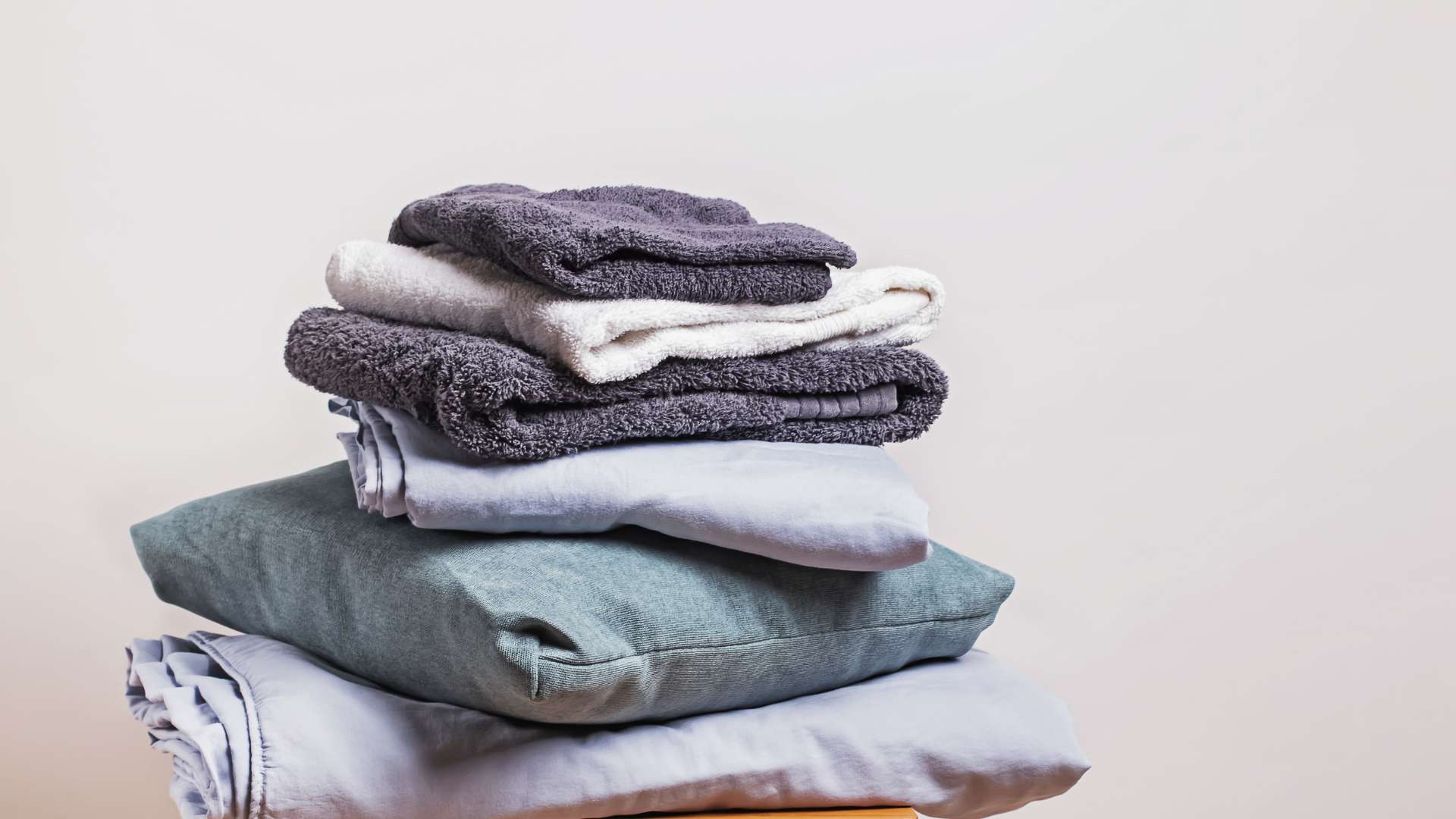
Choosing between Dylon and Rit dye entirely depends on your specific needs and preferences. If you’re aiming for a vibrant colour that lasts, Dylon might be your best bet. However, if you’re working with synthetic fabrics or want a wider choice of colors, Rit would be the appropriate choice.
In terms of ease of use, Dylon is slightly simpler as it doesn’t require heat for the dyeing process. However, the Rit process can give you more control over the colour intensity by allowing you to adjust the dye concentration and the amount of time you leave the fabric in the dye.
Both Dylon and Rit offer excellent options for home textile customization. While they each have their strengths and weaknesses, the end result will still be a uniquely customized piece of fabric that reflects your personal style and creativity.
In conclusion, your choice between Dylon and Rit dye should be based on the type of fabric you’re working with, the durability of colour you desire, and your personal preference for the dyeing process. We hope this comparison has provided you with valuable insights to make your textile customization experience richer and more satisfying. Happy dyeing!
FAQ
What are the main differences between Dylon and Rit dyes for home textile customization?
Dylon and Rit dyes are both popular brands for dyeing fabrics, but they have some differences. Dylon is known for its vibrant colors and is often used for smaller dyeing projects or for fabrics that are made of cotton, linen, or viscose. On the other hand, Rit dye is versatile and works well with a variety of fabrics, including synthetic blends, which Dylon is less suited for. Rit also offers a dye remover, which is useful if you need to correct or change the color.
Can I mix Dylon and Rit dyes to create custom colors for my home textiles?
While both Dylon and Rit dyes can be used to create a wide range of colors, it is generally not recommended to mix different brands of dyes due to differences in their chemical compositions. To achieve custom colors, it’s better to mix colors within the same brand to ensure consistency and predictability in the dyeing results.
What is the best technique for applying dye to ensure even color in home textiles?
To ensure even color when dyeing home textiles, it’s important to follow a few key steps. Pre-wash your fabric to remove any finishes that might affect dye absorption. When applying dye, stir the fabric regularly to promote even coverage, and follow the manufacturer’s instructions regarding the right amount of dye and immersion time. For large items, using a large container where the fabric can move freely will help achieve an even result.
Are Dylon and Rit dyes safe to use on all types of home textiles?
Dylon and Rit dyes are safe for many types of fabrics, but there are limitations. Dylon is primarily formulated for natural fibers like cotton, linen, and viscose, and may not be effective on synthetics. Rit dye, while more versatile, also has some restrictions, especially with fabrics that have a special finish or coating. Always check the label of the dye for fabric compatibility and test on a small area if you’re unsure.
How should I wash dyed textiles to maintain the color?
To maintain the color of dyed textiles, wash them separately for the first few cycles to avoid any potential color bleeding. Use cold water and a gentle detergent, and avoid bleach which can strip the color. It’s also a good idea to wash dyed items inside out to prevent excessive rubbing and fading. For best results, follow the care instructions provided by the dye manufacturer.