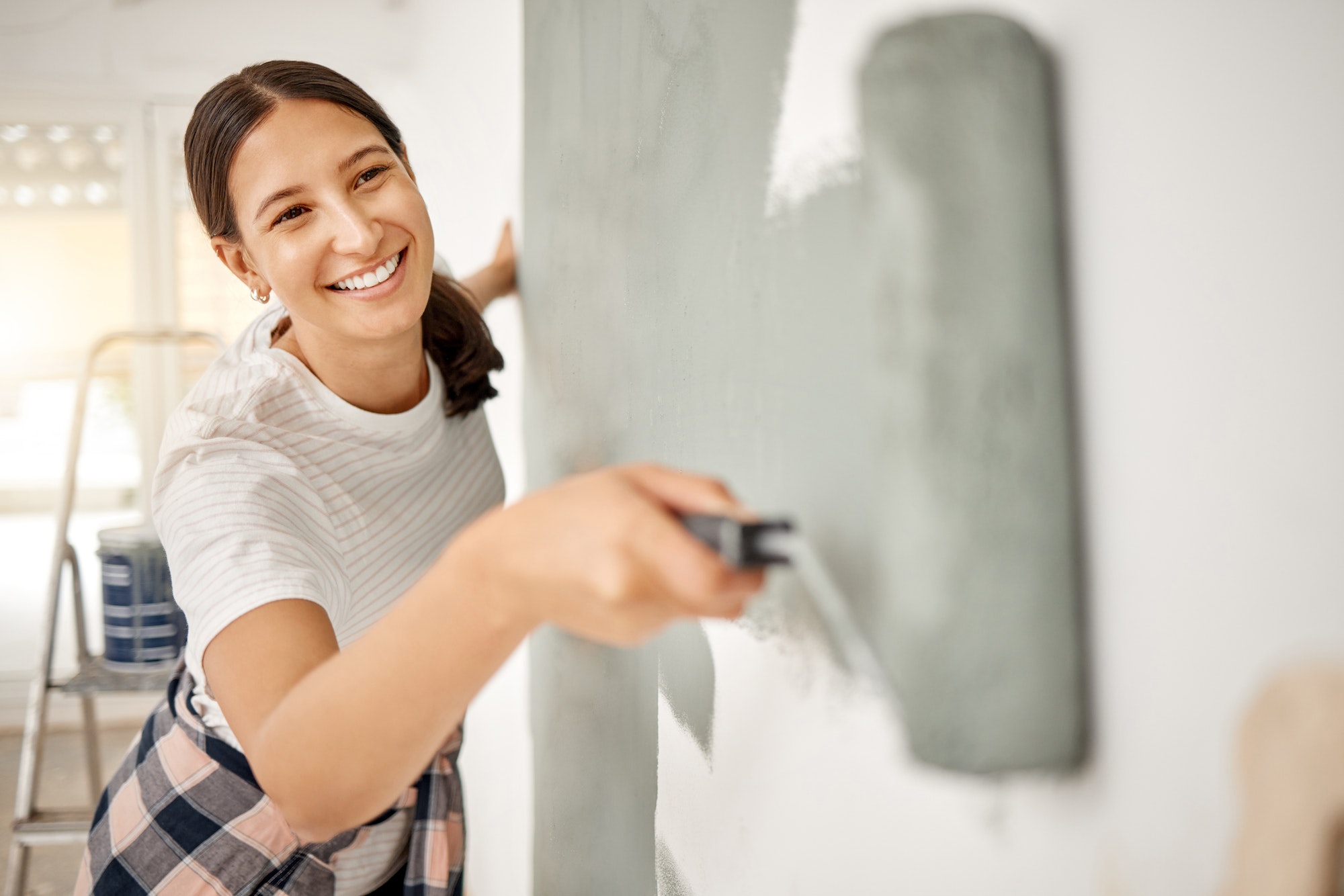
Painting your walls is an excellent way to give your home a fresh and updated look. Whether you’re moving into a new house or simply want to spruce up your interior or exterior, a fresh coat of paint can make a world of difference. But should you tackle this project on your own, or should you hire a professional to do the job? In this article, we’ll explore the pros and cons of painting your walls yourself to help you decide which route is best for your specific needs and preferences.
The Benefits of DIY Painting
There are several advantages to taking on a painting project yourself. By understanding the benefits of DIY painting, you can determine whether tackling the job on your own is the best choice for your home improvement project.
Cost Savings
One of the most significant benefits of painting your walls yourself is the potential cost savings. Hiring a professional to paint your house, both interior and exterior, can be an expensive endeavor. By choosing to do the work yourself, you can save a considerable amount of money on labor costs.
Of course, you’ll still need to purchase the necessary materials, such as paint, brushes, rollers, and drop cloths, but these costs are often much lower than hiring a professional. Plus, you can shop around for the best prices on paint and other supplies to further maximize your savings.
Control Over Your Project
When you paint your walls yourself, you have complete control over every aspect of the project. This includes selecting the exact color and finish of the paint, as well as the specific painting techniques used. If you have a particular vision in mind for your room or house, doing the job yourself ensures that you can achieve the desired results without relying on someone else’s interpretation of your instructions.
Additionally, you can work at your own pace and adjust your schedule as needed. This flexibility can be particularly beneficial if you have a busy lifestyle or want to complete the painting project in stages.
Satisfaction of Accomplishment
There’s a certain sense of satisfaction and pride that comes from completing a DIY project. Painting your walls yourself can give you a sense of accomplishment and may even inspire you to take on additional home improvement tasks. Plus, by doing the work yourself, you’ll gain valuable experience and skills that you can apply to future projects.
The Drawbacks of DIY Painting
While there are several benefits to painting your walls yourself, there are also some drawbacks to consider. Understanding the potential disadvantages of DIY painting can help you make an informed decision about whether this approach is right for your specific needs and circumstances.
Time Commitment
Painting your walls yourself can be a time-consuming process, especially if you’re inexperienced or undertaking a large project. From the initial prep work, such as cleaning and sanding your walls, to the actual painting process and any necessary touch-ups, the entire project can take a considerable amount of time.
If you’re already juggling a busy schedule, finding the time to paint your walls can be challenging. In such cases, hiring a professional may be a more convenient option.
Quality of Work
While you may be able to achieve satisfactory results with your DIY paint job, the quality of your work may not be as high as that of a professional painter. Professionals have the experience, knowledge, and equipment necessary to ensure a smooth, even finish on your walls. They also know how to properly prep your walls and address any issues, such as damaged drywall or peeling wallpaper, to ensure a long-lasting paint job.
If you’re inexperienced, you may encounter issues such as uneven paint coverage, visible brush strokes, or drips and spills. These mistakes can detract from the overall appearance of your room, negating the benefits of your hard work.
Potential for Damage
If you’re not careful, a DIY painting project can result in damage to your home or belongings. For example, you may accidentally spill paint on your carpet or furniture, or you may fail to properly protect your floors and baseboards while painting your ceiling. A professional painter is more likely to take the necessary precautions to avoid causing damage during the painting process.
In conclusion, there are both pros and cons to painting your walls yourself. The potential cost savings, control over your project, and satisfaction of accomplishment can make DIY painting an attractive option. However, the time commitment, potential for lower quality work, and risk of damage may make hiring a professional painter a more suitable choice for some individuals.
Ultimately, the decision to paint your walls yourself or hire a professional will depend on your specific needs, preferences, and abilities. By carefully considering the advantages and disadvantages of each option, you can make the best choice for your painting project and achieve the fresh, updated look you desire for your home.