
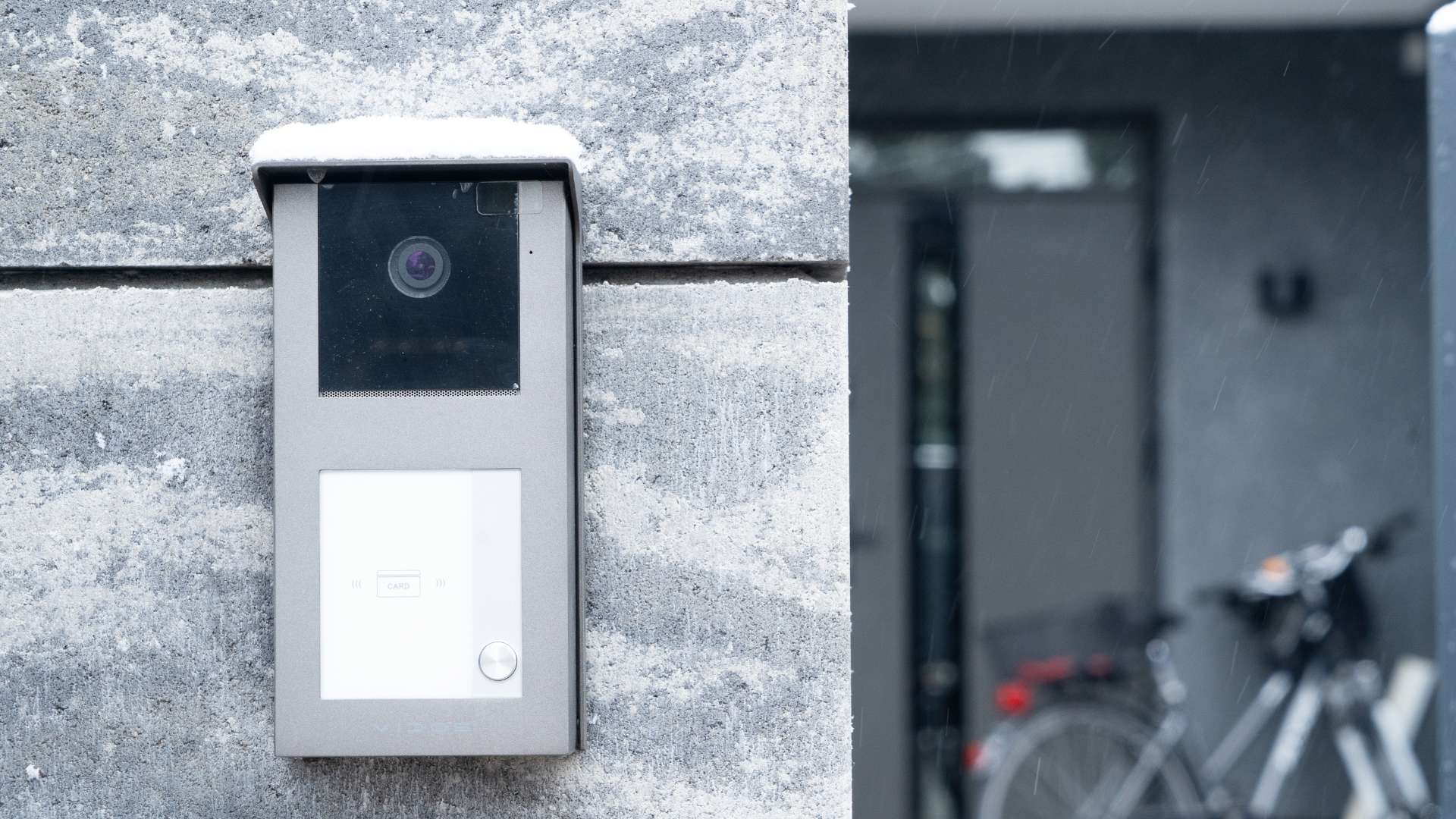
This is the one comparison I can’t write the usual way any more. Nest Secure against Ring Alarm is still a match-up people search for every week, except one of the two contenders was switched off by the company that made it.
In brief
- Google ended Nest Secure support on 8 April 2024; the hardware no longer connects.
- Ring Alarm is still sold across Europe, France and Monaco included.
- Ring’s 24/7 professional monitoring covers the US and Canada only.
- In France you get Alarm Calls, meaning your contacts get called, not a control room.
What actually happened to Nest Secure
Nest Secure was retired in stages rather than in one announcement. Google launched the system in 2017, stopped selling it in 2020 without a direct replacement, and then, according to Google’s own Nest support pages, ended support on 8 April 2024. The cellular backup service that some owners paid for was wound down shortly afterwards, in May 2024.
Practically, that means the whole kit went quiet at once. The Nest Guard keypad and siren, the Nest Detect door, window and motion sensors, the Tag key fobs you tapped on the way out: none of it talks to Google any more, none of it shows up in the Google Home app, and none of it receives security patches. The professional monitoring option Nest Secure sold through Brinks Home Security went with it.
I’m labouring this point because it’s the real lesson of the comparison, and it applies to every connected alarm on the market. You are not only buying a box of sensors. You are buying a server somewhere that has to keep answering, and a company that has to keep wanting to run it.
What Ring Alarm gives you in France, and what it doesn’t
Ring Alarm is genuinely available here. Ring’s own European availability page lists France and Monaco alongside the UK, Germany, Italy, Spain and most of the rest of the EU, so buying the kit and installing it yourself is straightforward, and it still works with Amazon Alexa and the rest of the Ring range through the Ring app.
The catch sits in the monitoring. Ring’s support documentation is explicit: 24/7 professional monitoring is offered in the US, minus several territories, and in Canada, minus Quebec. France isn’t on that list. What France does get is Alarm Calls, an optional feature that places an automated call to the emergency contacts you’ve registered when the alarm goes off.
| When the siren goes off | US / Canada | France |
|---|---|---|
| A monitoring centre sees the alert | Yes, with the professional plan | Not offered by Ring |
| Your contacts are called automatically | Yes | Yes, through Alarm Calls |
| You get the push notification | Yes | Yes |
| Somebody is dispatched to the property | Handled by the monitoring service | Whoever you called, if they’re nearby |
That distinction is easy to miss when you read American reviews, and it changes the whole calculation for a flat that sits empty from October to Easter, which is the normal state of a great many places along this coast.
Three rules that matter more than the spec sheet
Before you compare sensor counts, there are three constraints that decide whether an installation is a good idea at all.
The kit has to be CE marked
Any electrical or electronic equipment sold in the EU carries CE marking, and alarm kits are no exception. It’s a two second check on the box, and it’s the difference between a regulated product and a grey import that nobody will support.
Your camera stops at your property line
This one catches people out constantly. Under French law, filming the public street or a neighbour’s door or garden without consent is an invasion of privacy, and it also puts you on the wrong side of the GDPR. A camera should frame what belongs to you and nothing else. If the only useful angle covers the pavement, mask that part of the image in the app rather than hoping nobody notices.
Guests are not a camera’s business
If you let the place out for the season, indoor cameras are simply a no. Anything outdoors needs to be declared clearly to whoever stays there. Check the exact wording your rental platform and your insurer expect before you drill a single hole, because the rules here are stricter than the ones in the marketing photos.
How I’d choose today
If you want a system you can put up yourself in an afternoon and check from your phone, Ring Alarm is a reasonable buy, on the condition that you understand what “monitoring” means at this address. It means you, and the two or three people whose numbers you registered.
If you want someone paid to respond, the honest answer is that you’re not shopping for a smart home gadget at all. You want a French télésurveillance contract, with a control room, a response protocol and a written service commitment. It costs more every month and it does something a US ecosystem doesn’t do here.
And whichever way you go, the cheapest deterrent is still a house that looks lived in. A couple of lamps coming on at different times beats a sticker on the window, and if you’re weighing up which bulbs to buy, my comparison of Philips Hue and LIFX smart lighting goes through the scheduling side in detail.
Questions I keep being asked
My Nest Guard still lights up. Does that mean it works?
No. Since 8 April 2024 it no longer reaches Google’s servers, doesn’t appear in the app and gets no security updates. Whatever it does on its own keypad, nothing leaves the house. Treat it as decommissioned.
What do I do with the old Nest Secure kit?
It’s electronic waste. Take it to a déchetterie or hand it back at a retailer that accepts small appliance take-back, rather than dropping it in the household bin. Sensors contain batteries and shouldn’t go in with the rubbish.
Is a Ring Alarm enough for a flat left empty all winter?
Only if someone local is on your contact list. An automated call to a number two countries away tells you what happened, but it doesn’t get anyone to the door. Pair the alarm with a neighbour, a caretaker or an agency that holds a key.
Does it still work if the Wi-Fi drops?
Some Ring kits and plans include a cellular backup, some don’t, and the answer differs by country. Check that specific line on the product page before you order, because summer connections along the coast are not always the most reliable thing in the house.
Letting the place out while you’re away?
Security is only one part of it. Here’s the rest of the checklist.